
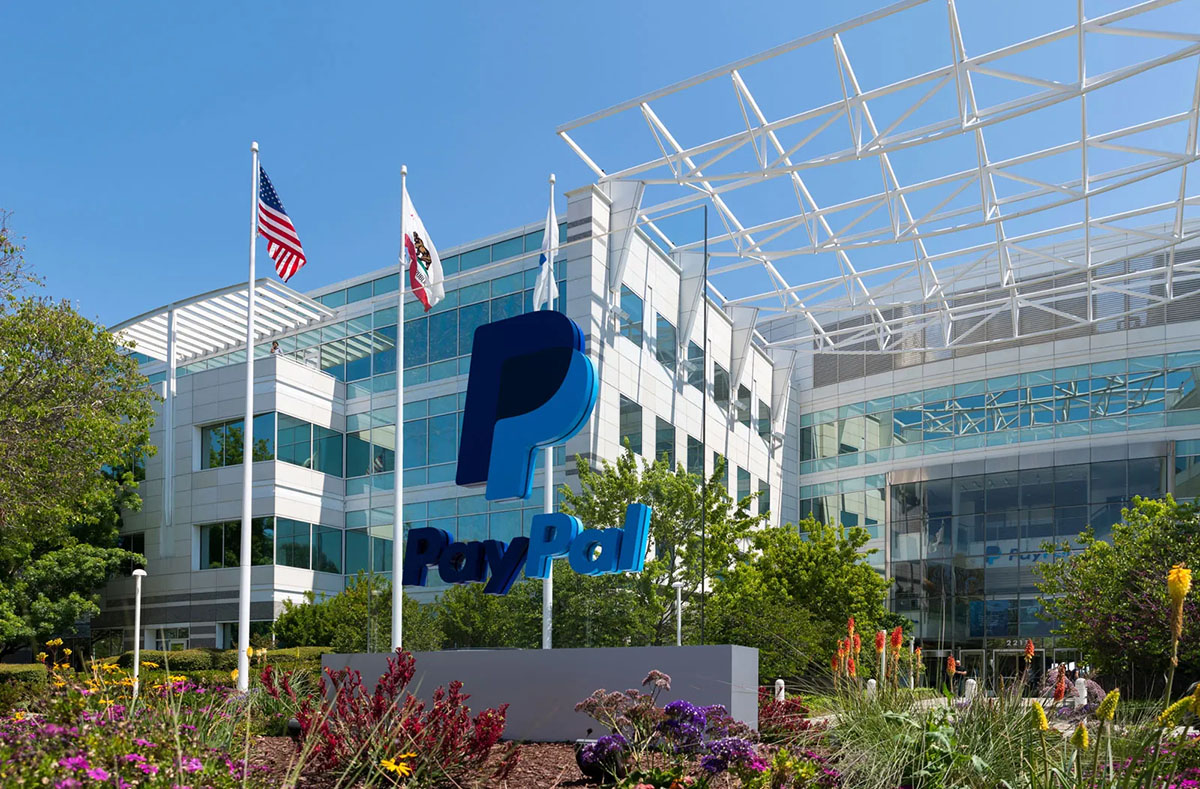
The company’s re-entry highlights how local fintechs filled the gap global platforms left behind.
PayPal’s re-entry into Nigeria through a partnership with Paga closes a long-running gap in the country’s access to global digital payments. But it also raises an uncomfortable question: what relevance does PayPal still hold in a market that learned to survive, and in many cases thrive, without it?
For nearly two decades, Nigerians were effectively locked out of inbound payments on PayPal, one of the world’s most dominant online payment platforms. Accounts were restricted to “send-only” status, allowing users to pay abroad while blocking their ability to receive funds or withdraw earnings locally. Freelancers, digital workers, and small businesses paid the price, losing income and opportunities in a rapidly globalising digital economy.
PayPal justified the restrictions by pointing to fraud risk, compliance hurdles, and regulatory complexity. Those concerns were not unique to Nigeria. What was unique was the duration of PayPal’s absence, even as the country’s fintech ecosystem evolved from informal experiments into one of the most sophisticated payment markets in emerging economies.
During PayPal’s long retreat, Nigerian fintechs did what global platforms would not. Companies like Paga built local infrastructure, engaged regulators, absorbed compliance costs, and designed systems for scale in a difficult environment. Others followed, creating wallets, switches, cross-border rails, and settlement layers that now power millions of daily transactions. By the time PayPal decided to return, Nigeria was no longer an untested market, it was an exporter of payment innovation.
The irony is that PayPal’s comeback is only possible because of the very local infrastructure it once chose not to invest in. By integrating with Paga, PayPal is effectively outsourcing regulatory complexity, local compliance, and settlement risk to a Nigerian company that spent more than a decade building trust and resilience on the ground.
Paga founder Tayo Oviosu has framed the partnership as the eventual fulfilment of a belief he shared with PayPal in 2013.
“In August 2013, I emailed the PayPal team. Nigeria’s fintech ecosystem was still young. Paga was just a few years old. And the ‘Africa opportunity’ wasn’t yet part of most global boardroom conversations,” he said.
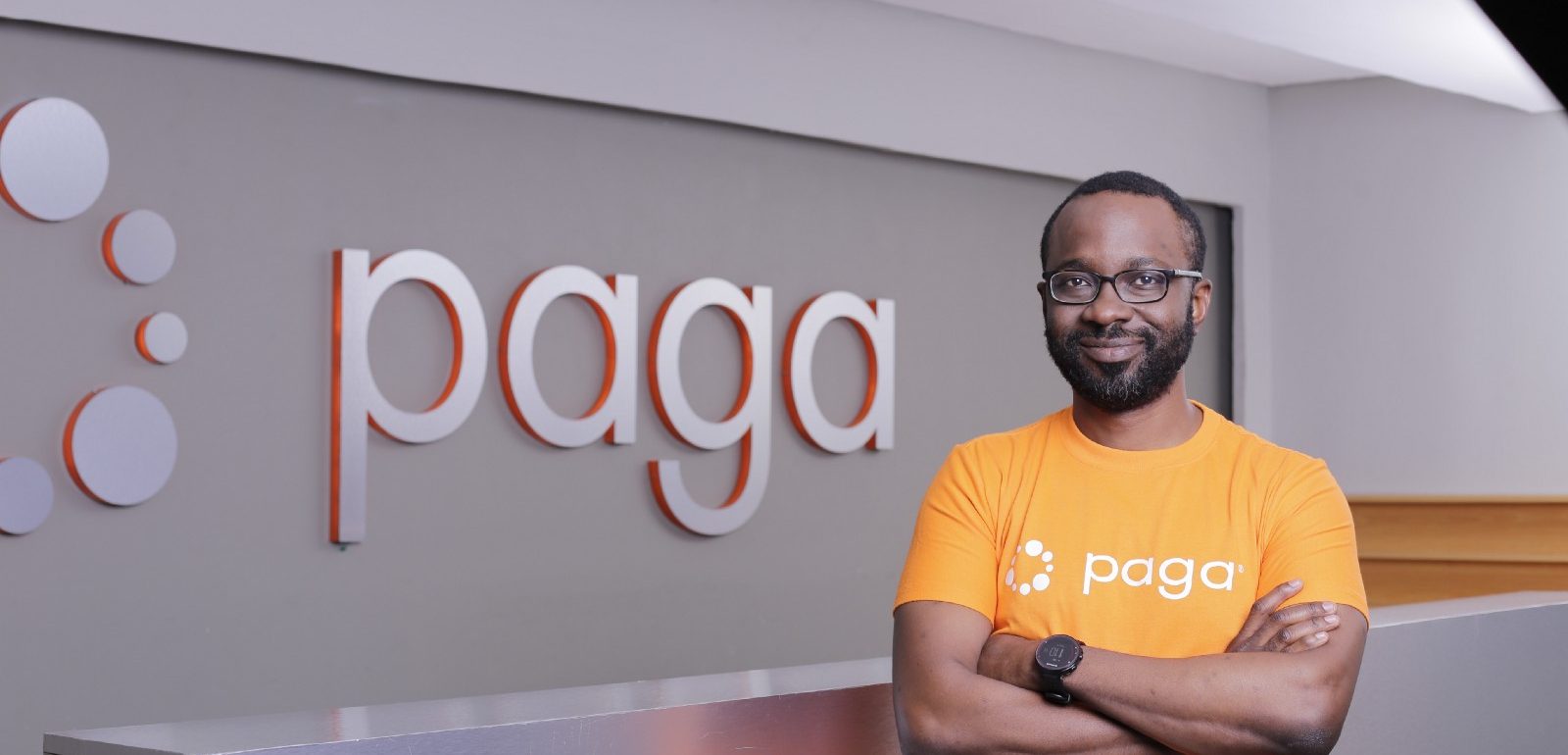
That belief was not wrong. What is striking is how long it took PayPal to act on it.
Even now, PayPal’s return is cautious. The company is not rebuilding a full local presence or offering standalone services. Instead, it is entering through PayPal World, a strategy designed around interoperability with local wallets rather than direct market ownership. This is less a bold expansion and more a controlled re-entry, one shaped by lessons learned from staying away too long.
For Nigerian users, the practical benefits are clear. Freelancers can receive international payments. Diaspora remittances become easier. Local merchants regain access to a global customer base that still prefers PayPal. These are meaningful improvements, but they are incremental, not transformative.
The deeper story is structural. PayPal is no longer arriving in a vacuum. It is entering a crowded, competitive market where local fintechs already dominate payments, switching, and settlement. In this context, PayPal is not a market maker, it is a plug-in.
Public reaction reflects this shift in power. While some Nigerians welcomed PayPal’s return, others questioned its relevance. Many pointed out that the restrictions forced Nigerians to innovate, adapt, and build alternatives that are now deeply embedded in the economy. PayPal’s absence did not stall Nigeria’s digital payments growth, it accelerated local ownership of it.
Seen this way, PayPal’s return is less a victory lap and more a concession. The company is acknowledging that Africa’s largest economy can no longer be ignored, and that access now requires partnership, not control.
For Paga, the deal is a validation of a long-term strategy built around patience, regulatory engagement, and infrastructure investment. For PayPal, it is a reminder that in fast-growing markets, waiting too long does not freeze opportunity, it redistributes it.
The market has already moved on. PayPal is simply catching up.
