
Analysts say December 2025 CPI figures signal a positive economic trend if the decline continues
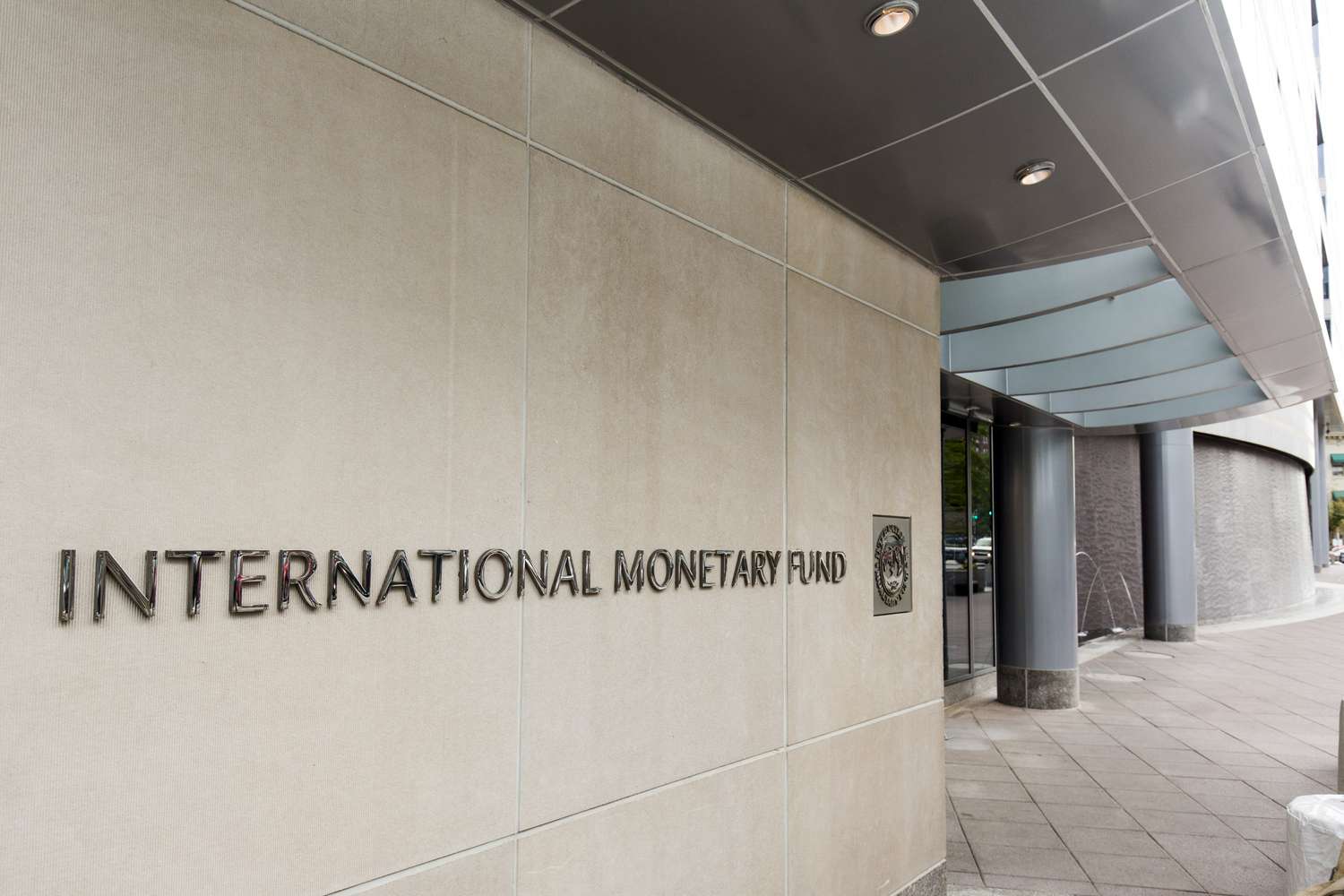
The International Monetary Fund (IMF) has said that Nigeria’s recent decline in inflation, if maintained, could relieve cost-of-living pressures and strengthen macroeconomic stability.
On Thursday, the National Bureau of Statistics (NBS) reported that the country’s headline inflation rate fell to 15.15 percent in December 2025.
Commenting on the figures, Christian Ebeke, IMF resident representative in Nigeria, described the development as a positive signal for the economy.
“We welcome the December Consumer Price Index inflation figures released by the Nigerian Bureau of Statistics, which show an easing of inflation that, if sustained, will help reduce cost-of-living pressures and support macroeconomic stability,” the IMF said.
The NBS, after rebasing the index, adopted a 12-month reference period for 2024, replacing the previous single-month approach. The adjustment aims to produce more accurate inflation readings and avoid exaggerated spikes.
The IMF welcomed this methodological revision, noting its alignment with global standards. “The release reflects a welcome change in methodology that aligns Nigeria’s CPI calculation with international best practices, as set out by ECOWAS and the IMF’s 2020 CPI Manual,” the fund said.
The bureau now links the previous CPI to the rebased index using 2024 as the reference year, improving comparability and stability of inflation data over time.
While Nigeria’s 2025 inflation figures were revised due to these methodological changes, the IMF highlighted that the downward trend persisted throughout the year. The NBS had earlier projected a temporary “artificial spike” in December 2025, which Adeyemi Adeniran, statistician-general of the federation, attributed to the change in base year.
