
Federal government shifts focus from exporting raw minerals to domestic processing as major facilities take shape across the country.
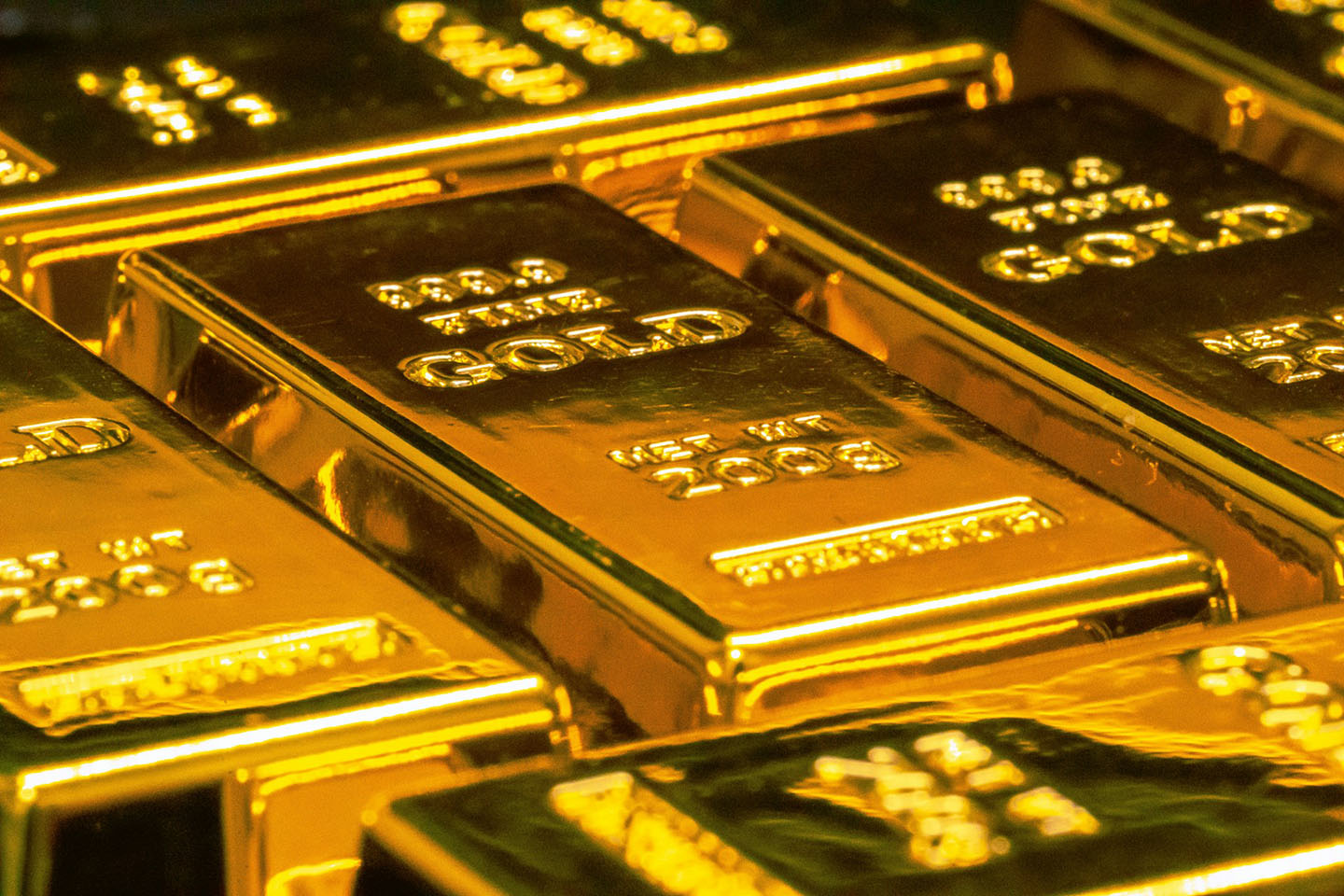
Nigeria has officially started refining gold at a new high-purity facility in Lagos, a development the federal government describes as a major shift from exporting unprocessed minerals to building value within the country.
The confirmation came through a statement released on Tuesday by Segun Tomori, media aide to Dele Alake, the minister of solid minerals development.
According to the ministry, three other gold refineries are in various stages of development across different regions, while a $600 million lithium processing complex in Nasarawa State has been completed and is only awaiting its formal unveiling.
Pushing Nigeria away from raw mineral exports
During a bilateral meeting with Saudi Arabia’s Minister of Industry and Mineral Resources, Ibrahim Al-Khorayef, Alake explained that the government’s latest projects represent a deliberate strategy to capture more value within Nigeria’s mining ecosystem rather than exporting raw materials.
The discussion took place ahead of the Future Minerals Forum holding in Riyadh from January 13 to 15.
Alake said the government expects the refining initiative to translate into higher revenue, job growth, and stronger accountability in the sector.
“Nigeria’s value-addition policy is yielding results, with a high-purity gold refinery now operational in Lagos,” he said.
Expansion of refining capacity and sector oversight
The minister added that the three additional refineries under construction are intended to reduce illicit exports and improve transparency across the gold supply chain, an issue that has consistently hampered Nigeria’s mining industry.
He noted that better refining infrastructure will make mineral flows easier to monitor, which in turn should help build investor confidence.
Lithium plant aims at EV and clean-energy markets
Alake also confirmed that the $600 million lithium plant in Nasarawa has been completed.
He said the facility is designed to support the manufacture of batteries for electric vehicles and renewable-energy storage, giving Nigeria a foothold in a fast-growing global supply chain.
“A $600 million lithium processing plant in Nasarawa State has been completed and is ready for formal inauguration,” he said.
Positioning Nigeria for the energy transition
He added that the country’s expanding capacity in gold and lithium processing places Nigeria in a strong position to supply minerals critical to the global shift toward cleaner energy technologies. Lithium remains central to modern battery systems, while gold is widely used in electronics, precision manufacturing, and global finance.
Deepening cooperation with Saudi Arabia
The minister said Abuja is looking to strengthen cooperation with Saudi Arabia in areas such as geological data management, technology transfer, skills development, and mineral exploration. He noted that both countries bring different strengths that can support mutually beneficial projects.
“There are areas where Saudi Arabia excels and others where Nigeria has strengths,” Alake said. “We are keen on structuring agreements that enable meaningful and balanced engagement.”
According to him, a joint working group set up after the 2025 Future Minerals Forum has finished its assignment and will present its conclusions during the current edition of the forum.
Stronger focus on sustainability and traceability
Alake also highlighted environmental management, mine rehabilitation, and mineral traceability as major issues Nigeria wants to embed in future partnerships.
“Mineral traceability boosts investor confidence and must anchor partnerships,” he said.
