
Nigeria’s Blue Economy Breaks Long Stagnation With Major Production Spike
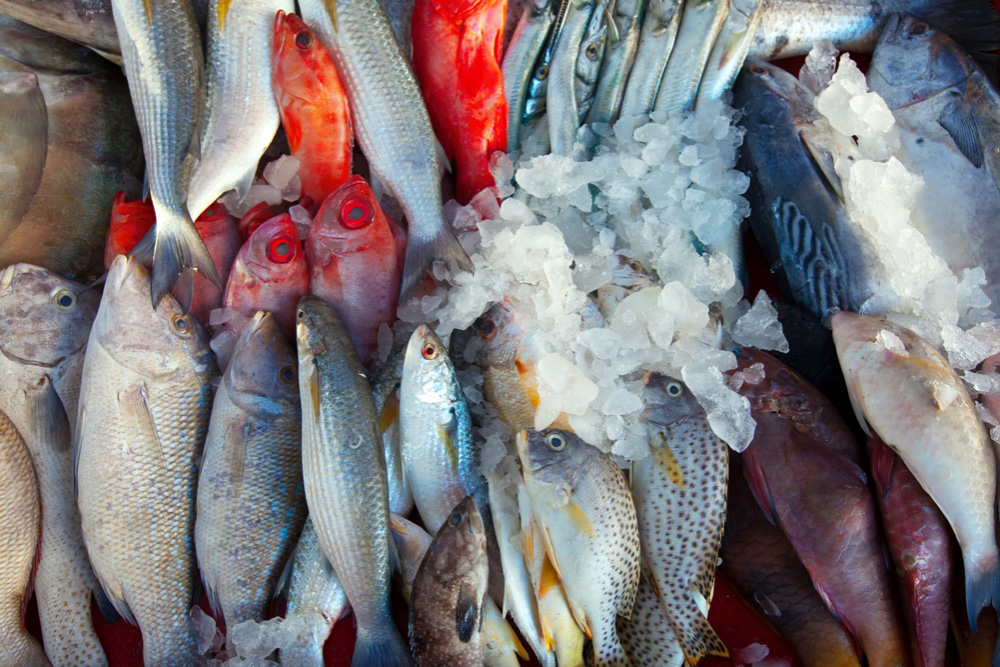
Nigeria’s fisheries sector recorded a major turnaround in 2025, with national fish output rising by 300,000 metric tons. The Ministry of Marine and Blue Economy confirmed the development and described it as the first notable growth the industry has seen in more than ten years.
The announcement was made by Bolaji Akinola, special adviser to the minister, who said the long-awaited progress was tied to reforms introduced by Minister Adegboyega Oyetola. For years, he explained, the country struggled with policy gaps, infrastructure bottlenecks and a heavy dependence on imported fish. He noted that those barriers have now started to give way.
Akinola said the surge is a clear indication of purposeful leadership and improved sector coordination. Quoting him directly, he stated,
“Nigeria recorded an increase of 300,000 metric tonnes in fish production in 2025, the first such rise in over a decade.”
He added that Oyetola’s focus has been to reduce Nigeria’s dependence on imports while strengthening food security, creating jobs and boosting activities across aquaculture, processing and logistics. According to him, the minister’s commitment is unwavering and the marine economy has entered what he described as a decisive phase of renewal.
Akinola highlighted reforms implemented since Oyetola assumed office in August 2023. He said many long-standing obstacles that held the sector back for decades have now been dismantled. These changes, he noted, have restored confidence among operators and positioned the marine and blue economy as a major contributor to Nigeria’s diversification agenda.
He described the resolution of the Apapa gridlock as one of the most significant achievements under the current leadership. The traffic congestion crippled the Lagos port corridor for more than two decades, hindering trade and discouraging investment. He stated that by early 2024, coordinated policies, operational discipline and targeted infrastructure upgrades finally brought lasting relief. Akinola said this intervention cut cargo dwell time, lowered logistics costs and revived the ports as functional gateways for domestic and regional commerce.
The ministry adviser also underscored Nigeria’s return to the International Maritime Organisation Council in 2025 after a 14-year absence. He said regaining a seat on the Council followed a competitive election and restored Nigeria’s voice in global maritime governance. According to him, this achievement signals a renewed international presence and strengthens the country’s regulatory standing in the maritime world.
Overall, Akinola maintained that the improved fish output is only one of several indicators showing that Nigeria’s marine and blue economy is undergoing genuine restructuring and is poised for sustained progress.
