
Farmers Say Subsidized Feed Is Already Influencing Production Costs And Competitor Pricing.
Poultry producers in Lagos say market prices for eggs and chicken could ease in the coming weeks as the state government activates the second stage of its feed subsidy initiative, a move aimed at cushioning food inflation pressure ahead of the year-end consumption spike.
The Ounje Eko Phase II program, coordinated by the Lagos Ministry of Agriculture and Food Systems, is designed to lower input costs for farmers at a time when feed prices account for up to 70 percent of production expenses in the poultry value chain. The state hopes that subsidized inputs will slow the pace of price escalation that has hit households throughout 2024 and driven up the cost of protein staples.
According to industry leaders, the latest intervention is already reshaping price expectations among producers and feed suppliers.
What they said
“The Ounje Eko Farmers’ Subsidy Programme will definitely go a long way toward cutting down the price of poultry produce during the yuletide,” said Foluso Adams, Vice President of the Poultry Association of Nigeria’s Lagos chapter and Chairman of the Aiyedoto Poultry Farmers Settlement.
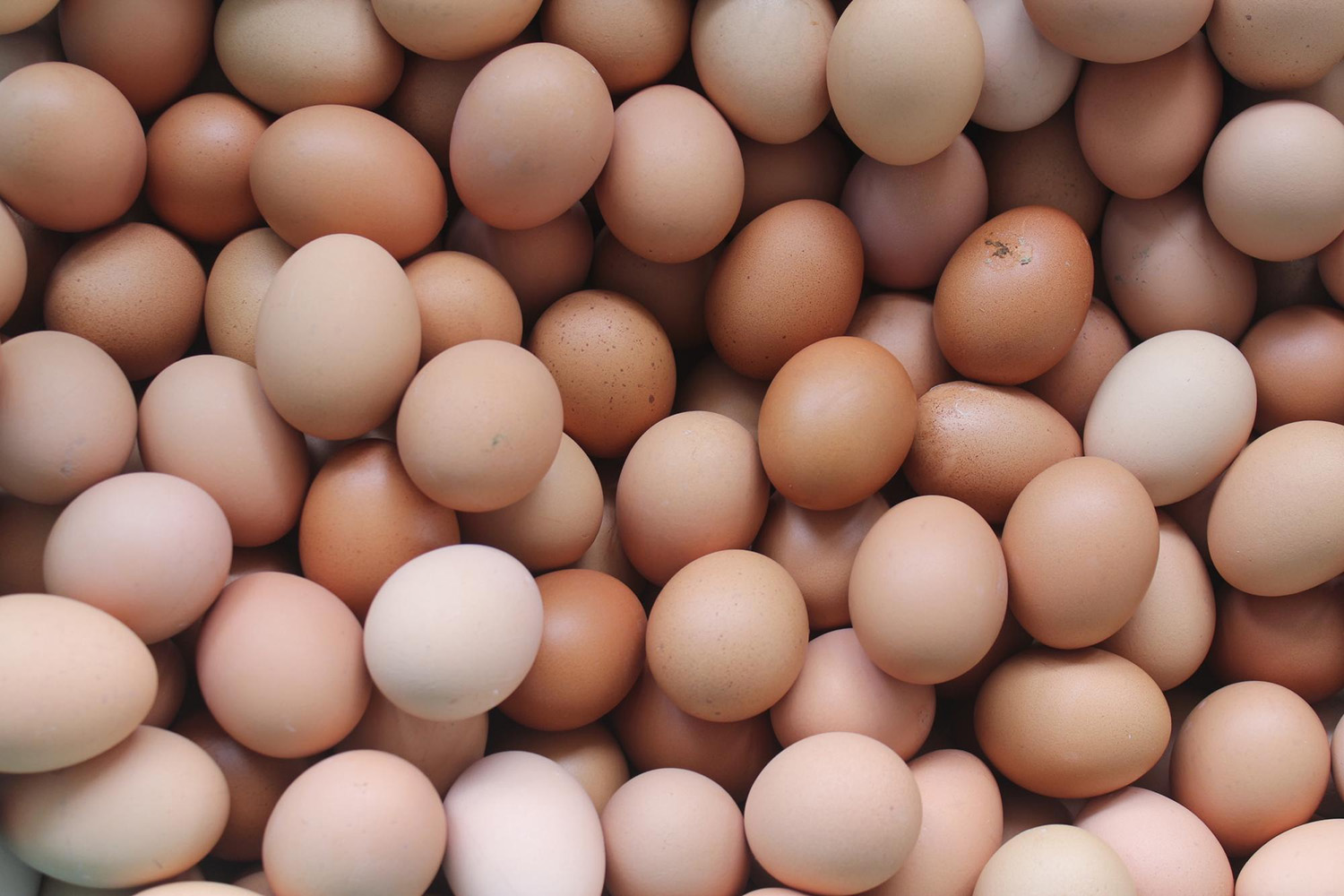
Adams said farmers are anticipating a correction in egg prices, currently between N5,500 and N6,000 per crate, projecting a possible dip to about N5,100 to N5,300 once subsidized feed enters the system and production costs stabilize.
However, he pointed out that the intervention has limitations, particularly because only one feed brand, Animal Care, is being supplied. This leaves farmers who use other formulations outside the immediate benefit. Despite the uneven coverage, Adams said the association has encouraged participating farmers to pass savings to consumers, noting that there is official communication directing members to reduce their retail prices.
“There is even a letter to that effect,” he said, adding that a farmers’ delegation will meet officials in Alausa to formalize pricing commitments and present documentation to show that the subsidy is translating into consumer relief. Distribution of materials is expected to begin Wednesday, with 50 Aiyedoto farmers listed among the first beneficiaries.

More Insights
Adams said the announcement has prompted an immediate shift in market behavior, with competing feed manufacturers adjusting prices downward to avoid losing customers to subsidized products.
“Other feed processors are also bringing down the price of their commodities so that they will not lose their customers,” he said. “They don’t want to go out of the market, as that is their source of income and livelihood.”
He added that chicken prices may also soften as the holiday season approaches, although discussions among farmers are ongoing to determine the extent of possible reductions.
The Lagos branch of the Poultry Association argues that similar interventions by other states would amplify the supply-side impact nationwide. As Adams put it, “If other states tap into what Lagos State Government is doing, the price of poultry produce will drastically come down during the yuletide season.”
The evolving situation comes as consumers face one of the steepest food inflation cycles in recent memory. While the subsidy initiative is unlikely to reverse broader inflationary pressures on its own, industry analysts say it could slow the rate of increase and offer limited short-term relief for households preparing for a costly festive period.
